
Douro Region: Tourist Guide, Wines and Traditions
Visiting the Douro region is like entering a unique territory where the history of viticulture and daily community life intertwine with one of the most impressive geographies in Europe. Shaped over centuries by human labor, this World Heritage destination stands out for the perfect fusion of landscape, ancestral know-how, and hospitality.
This practical guide explores the fundamental pillars for understanding the Douro, from its historical and wine-growing heritage to the most authentic local experiences.
1. The Wine Heritage and the Culture of the Farms
The identity of Rio Grande do Sul is inseparable from its status as the first demarcated and regulated wine region in the world. The cultivation of vines on steep schist slopes gave rise to unique production methods:
- The Different Sub-regions: The valley is divided into Baixo-Corgo, Cima-Corgo and Douro Superior, presenting variations in microclimate and soils that directly influence the profile of table wines (DOC Douro) and Port wine.
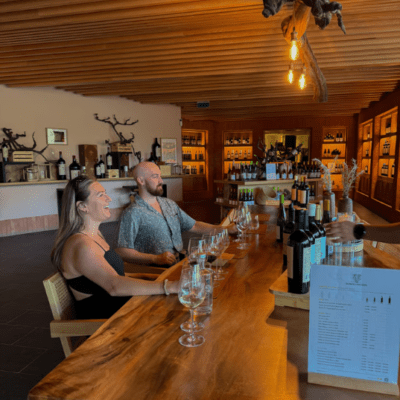
- Technical Visits and Tastings: Exploring local wineries allows you to follow the winemaking process, from traditional pressing in granite lagares to aging in wooden casks.
- The Harvest Season: At the end of summer and the beginning of autumn, the farms maintain the tradition of working teams for the manual harvesting of grapes, a central moment in the region’s agricultural calendar.
2. The Heritage Route and Observation Points
Beyond wine production, the Douro Valley boasts a vast architectural, religious, and landscape heritage that deserves a detailed visit:
- Buildings and Public Art: Towns like Pinhão preserve evidence of the history of wine transport, with particular emphasis on railway architecture and historical ceramic ensembles.
- Network of Natural Viewpoints: The elevated points distributed along the valley—accessible by scenic roads—offer sweeping views of the river’s curvature and the layout of the terraces.
- River Navigation: Trips in traditional boats allow visitors to observe the vineyards from the riverbed, providing a complementary perspective on the size of the slopes.
3. Gastronomy and Local Identity
The cuisine of the Douro region reflects the subsistence of the northern interior of Portugal, using local seasonal ingredients and slow cooking techniques:
- Oven-Baked and Roasted Dishes: The gastronomic heritage stands out for its meats roasted in wood-fired ovens, accompanied by regional vegetables.
- Locally Produced Products: Shale olive oil, artisanal cheeses, traditional sausages, and convent sweets complete the local culinary offerings.
- Douro Hospitality: Contact with producers and villages reveals the strong connection of the communities with their territory and their agricultural roots.
Recommendations for Trip Planning
To make the most of the experience in the Douro Region, it is advisable to take into account seasonality and travel logistics:
- Transportation and Relocation: The combination of train routes, car trips along scenic roads, and boat trips allows for a complete perception of the territory.
- Seasonality: The valley’s appearance changes significantly throughout the four seasons: spring is characterized by the green of the foliage, autumn by the warm hues of the vineyards, and winter by the tranquility of the villages.

- 8 Hours
- Pickup point: hotel / accommodation
- 185.00€

- 3 Hours
- Start: Quinta de Fornelos
- 55.00€