
Nature Tourism in the Douro Valley
Nature Tourism in the Douro
Exploring the natural environment of the Douro Valley is the ideal opportunity to discover a fascinating ecosystem that impresses with the richness of its protected landscapes and the imposing nature of its cliffs. To make the most of this territory, where sustainable tourism and outdoor activities intersect harmoniously, good preparation helps to define the right routes to explore the greenest and most authentic side of the region.
Between deep valleys shaped by water and slopes rich in wildlife, structuring your hikes in advance ensures total immersion in the best-preserved corners of this listed valley.
Sustainable Viticulture and Biodiversity
When organizing your hikes along the slopes, selecting agricultural properties that practice organic production is a priority, as these producers actively promote soil conservation and respect for native Mediterranean flora.
It is recommended that you consult the green wine tourism maps to schedule guided tours through olive groves and old vineyards where the balance between agriculture and environmental preservation is explained.
Setting a schedule for these ecological visits allows you to understand, without haste, the importance of the schist walls in stabilizing the soil and creating microhabitats for small reptiles and beneficial insects.
Waterways and Eco-sports
Including the riverbed and its small tributary streams in your travel plan is one of the most dynamic ways to get to know the region, transforming the watershed into a perfect setting for non-polluting water activities. You should study the routes before setting off and check the licensed companies because kayaking or paddleboarding require prior knowledge of the currents to ensure a safe adventure.
Whether exploring the narrower channels or relaxing alongside less frequented river beaches, we recommend that your plan focus on silence and observing the aquatic fauna that inhabits the banks.
Ecological trails and wild viewpoints
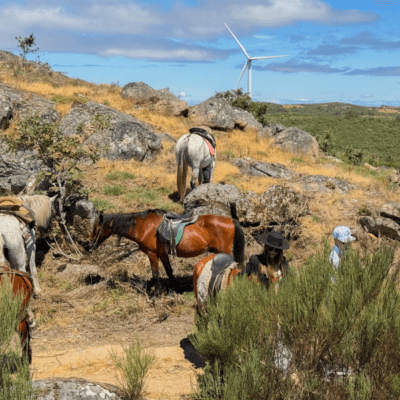
For those who prefer hiking in mountain boots, it is ideal to download the official routes of the short and long-distance trails before starting the journey to ensure correct orientation through the cork oak and juniper forests.
If you prefer to explore the mountains on two wheels, include in your itinerary the mountain bike trails and dirt paths that lead to the highest peaks to reach the isolated crags from where you can see the immensity of the valley.
Observation of fauna and local customs
The calendar of your ecotourism expedition can be aligned with the migratory routes of birds or with the seasons of wild flowering, allowing direct contact with wildlife without interfering with its natural balance. If your main objective is to spot the large birds that glide over the rocky cliffs, you should plan your waits at the official viewpoints equipped with binoculars and appropriate field guides.
For hikes at other times of the year, ask about interpretive trails focused on recognizing medicinal plants or identifying footprints of mammals that inhabit the woods.
Scenic routes and green mobility
Choosing transportation with a smaller ecological footprint is a central pillar of organizing this trip, as the natural Douro should be discovered by means that respect air quality and the tranquility of the environment. It is worthwhile to combine hiking with travel on the Douro Railway Line, using regional trains to connect the small riverside villages.
Planning your routes by train allows you to contemplate steep slopes that are inaccessible by road, enjoying a continuous perspective on the curves of the river without causing environmental impact.
Organic food and produce from the land
The gastronomic aspect also gains a strong connection with the land through the consumption of seasonal products grown in small family gardens that supply traditional commerce. Include in your plan a stop at old village taverns where the dishes highlight ingredients harvested from the woods, guaranteeing comforting meals based on wild mushrooms and heather honey from local producers.
Eco-lodging and rural tourism
The choice of where to rest at the end of the day should prioritize accommodations that have environmental certification and that adopt rigorous energy and water saving measures. Depending on the type of experience you envision, you can consult specialized platforms to stay overnight in a restored old schist house or choose the comfort of a forest lodge built with sustainable materials.
The most important thing is to ensure a stay that allows you to fall asleep to the sounds of nature, wake up to birdsong, and have immediate access to the region’s hiking trails.
Protected parks and international ecotourism
The planning of your exploration walks should include a mandatory stop at the Douro International Natural Park. The vertiginous cliffs of this border area offer exceptional nesting conditions for rare species of birds of prey such as the Egyptian vulture or the golden eagle. Scheduling your hikes through these protected areas at dawn allows you to witness the awakening of the forest and photograph wildlife in their original habitats.
A territory to explore in harmony
Regardless of the month you choose for your outdoor adventure, structuring your routes with an ecological awareness transforms your trip to the Douro Valley into a moment of learning and civic engagement. By combining a passion for hiking, respect for nature conservation, and support for small rural economies, you can experience the true power of this natural landscape in a remarkable way.

- 8 Hours
- Pickup point: hotel / accommodation
- 185.00€

- 3 Hours
- Start: Quinta de Fornelos
- 55.00€